 Aeronautics
Delivering a Scalable V‑Belt Cover Solution Across Engine Variants
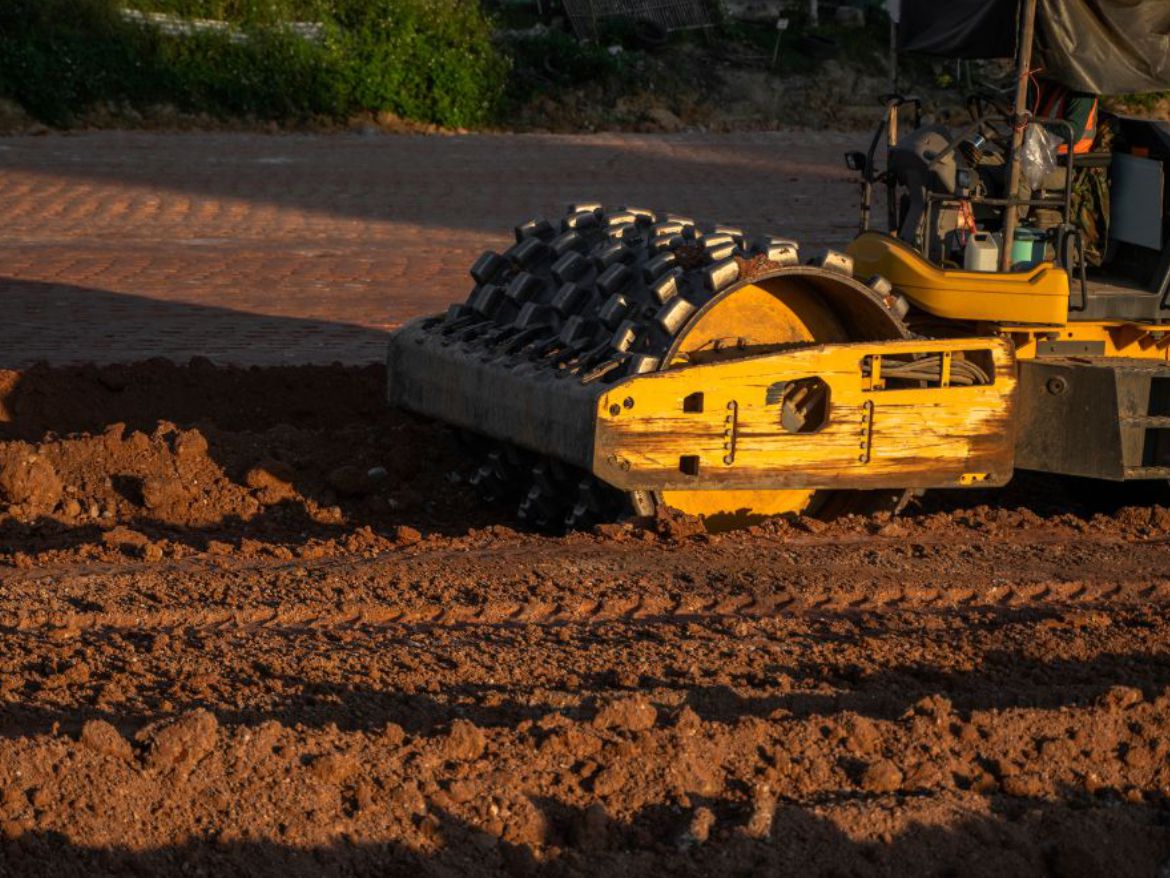
A leading global manufacturer in the compactors segment partnered with ALTEN to address challenge of ensuring structural reliability under demanding field conditions. The client was seeking more than just engineering support, they needed a strategic ally with deep technical expertise, agility, and a proactive mindset to navigate complex mechanical designs.
ALTEN applied a structured, design-led approach to develop a V-belt cover compatible with multiple engine variants. Through early feasibility studies, alignment checks, and stress simulations, the team ensured consistent fit, functional integrity, and manufacturability across platforms.

Challenge:
- Multi-Variant Compatibility: Designing a single cover to fit multiple engine and pulley configurations required precise geometry and flexible modeling.
- Pulley Alignment Sensitivity: Minor misalignments in pulley positions could lead to belt wear, vibration, or mechanical failure, demanding high accuracy in design.
- Stress Concentration Risks: Curved surfaces and mounting zones posed potential stress hotspots, requiring early simulation to avoid structural failures.
- Assembly Efficiency: The cover needed to support quick and error-free installation across product lines, minimizing production delays.
- Material and Cost Constraints: Balancing durability with lightweight materials and cost-effective manufacturing methods was critical.
- Design Without Final Specs: Initial development proceeded without finalized pulley specifications, requiring adaptable design logic and placeholder dimensions.
Solution:
Scoping :
- Conducted detailed feasibility studies to ensure the V-belt cover could fit multiple engine variants without compromising alignment or performance.
- Reviewed material and manufacturing options to identify cost-effective alternatives that maintained durability and ease of assembly.
Pre-Launch:
- Documented all design assumptions including pulley center distances, belt path geometry, and mounting constraints.
- Created activity maps for concept modeling, alignment validation, and simulation of stress zones around mounting interfaces.
Delivery:
- Implemented design refinements to minimize stress concentrations, especially around curved surfaces and bolt zones.
- Conducted final stakeholder reviews to confirm alignment with performance, cost, and manufacturability goals.
- Enabled faster design iterations and improved product resilience through simulation-led engineering and cross-functional collaboration.
Proactive Design Reviews in the Compactors Project:
- Proposed targeted design modifications—including geometry refinements and reinforcement strategies—to ensure structural integrity across multiple engine variants.
- Integrated early-stage digital validation to minimize prototyping cycles, accelerate development, and ensure compliance with safety and performance standards.
Benefits
- Recommended targeted design adjustments to optimize load distribution and ensure structural integrity across multiple engine variants.
- Integrated digital validation early in the process, accelerating design cycles and reducing dependency on physical prototypes—resulting in faster delivery and improved reliability.
Knowledge Where It Counts:
ALTEN applied engineering to address critical reliability and integration challenges in the V-belt cover design. From early feasibility analysis to structural validation, the team ensured technical precision, agile execution, and close collaboration across design, manufacturing resulting in a robust, multi-fit cover solution that delivered measurable cost savings and long-term product resilience.
Insights gained:
- Modular design enabled multi-variant compatibility and cost savings.
- Precise pulley alignment was critical for performance.
- Cross-functional teamwork accelerated delivery and improved reliability.
Lessons Learned:
- Clearly document design assumptions for traceability.
- Proactive reviews reveal extra optimization opportunities and improve reliability.
Best Practices Developed:
- Use agile sprints: Speed up redesign and validation with sprint-based execution.
- Lose the loop: Feed field learned data back into design to boost reliability.
Tools and Technology:
- Creo Parametric was used for 3D modeling.
- PLM systems supported version control, design traceability, and seamless collaboration across engineering, procurement, and manufacturing teams.
- The project achieved cost and time efficiency through digital validation, agile design cycles, and data-driven optimization.