 Aeronautics
Aerospace Software Engineering Services
Software Engineering Services
Full and Partial Life Cycle DO-178B/C Services
With more than 30 years of history in software Development, ALTEN India has a highly competent work force in both the System and Application software domains. More than 6000 person years of cumulative experience has been gained through many successfully completed prestigious projects. ALTEN India provides Engineering Services for Avionics/Aerospace Software per DO-178C standards using streamlined processes and advanced tools. ALTEN India’s range of Engineering Services includes Requirements Management, High-level Design, Low-level Design, software Integration, Independent Verification and Validation, Certification as well as Sustaining Engineering to cover the entire life cycle of Avionics Software. ALTEN India has extensive experience of participation in Full and Partial Life cycle Projects per DO-178B/C Design Assurance Levels A to E, across Military and Civil Domains, over a wide variety of Platforms.
Engineering activities in all life cycle phases are strictly per the Quality Standards laid down for the process. The net result is a highly streamlined project execution reducing Development and Maintenance Costs. Our software Engineering experience is described below.
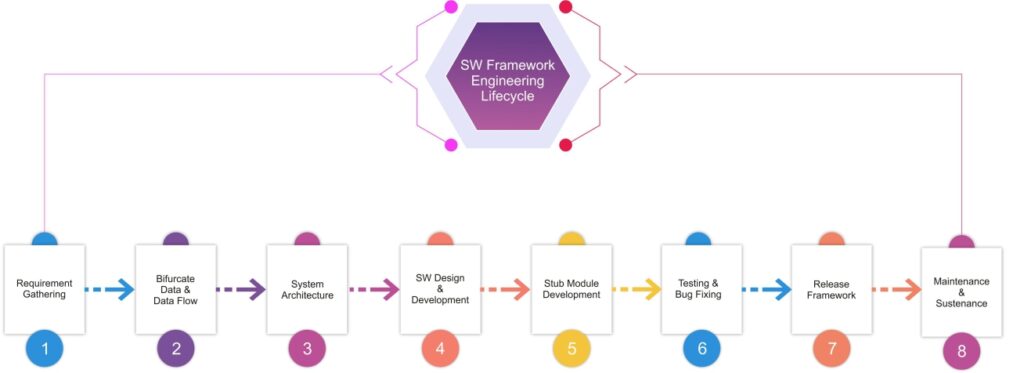
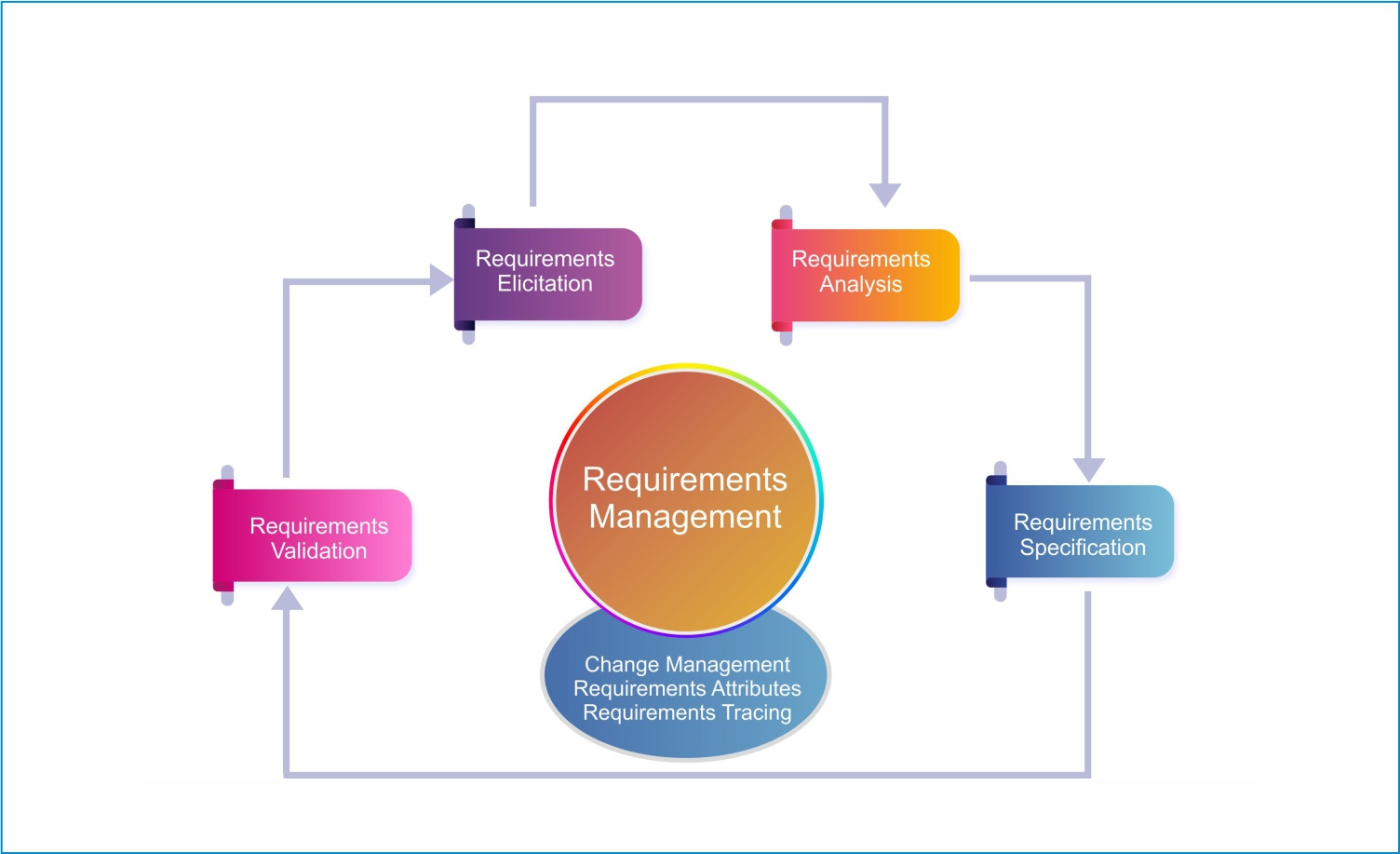
Requirements gathering is one of the most important activities in the development of a Product. Defining accurate System Requirements requires a lot of Forward Looking Vision and Domain Expertise. ALTEN India uses expert System and Software Engineers to generate System-Level and High-Level Requirements for a well defined end Product or Software.
Our Engineers are also experienced in ensuring compliance to the relevant DO-178C Requirements Guidelines
Requirements are developed keeping the ease of Verification in mind, so that there are no Requirement Creeps during Verification. Requirements are always supplemented with additional information or references as required, so that a designer makes the correct decisions and comes up with a correct design.
The Requirements Management Process at ALTEN India Technologies is aimed at helping all stakeholders understand and approve the defined requirements. System Safety Objectives are analyzed for each requirement and Safety Requirements are determined.
Quality Audits like System/Software Requirements Reviews (SRR) are conducted before proceeding to the Design Phase. ALTEN India Quality Processes also ensure maintenance of Quality Artifacts through the lifetime of the Product.
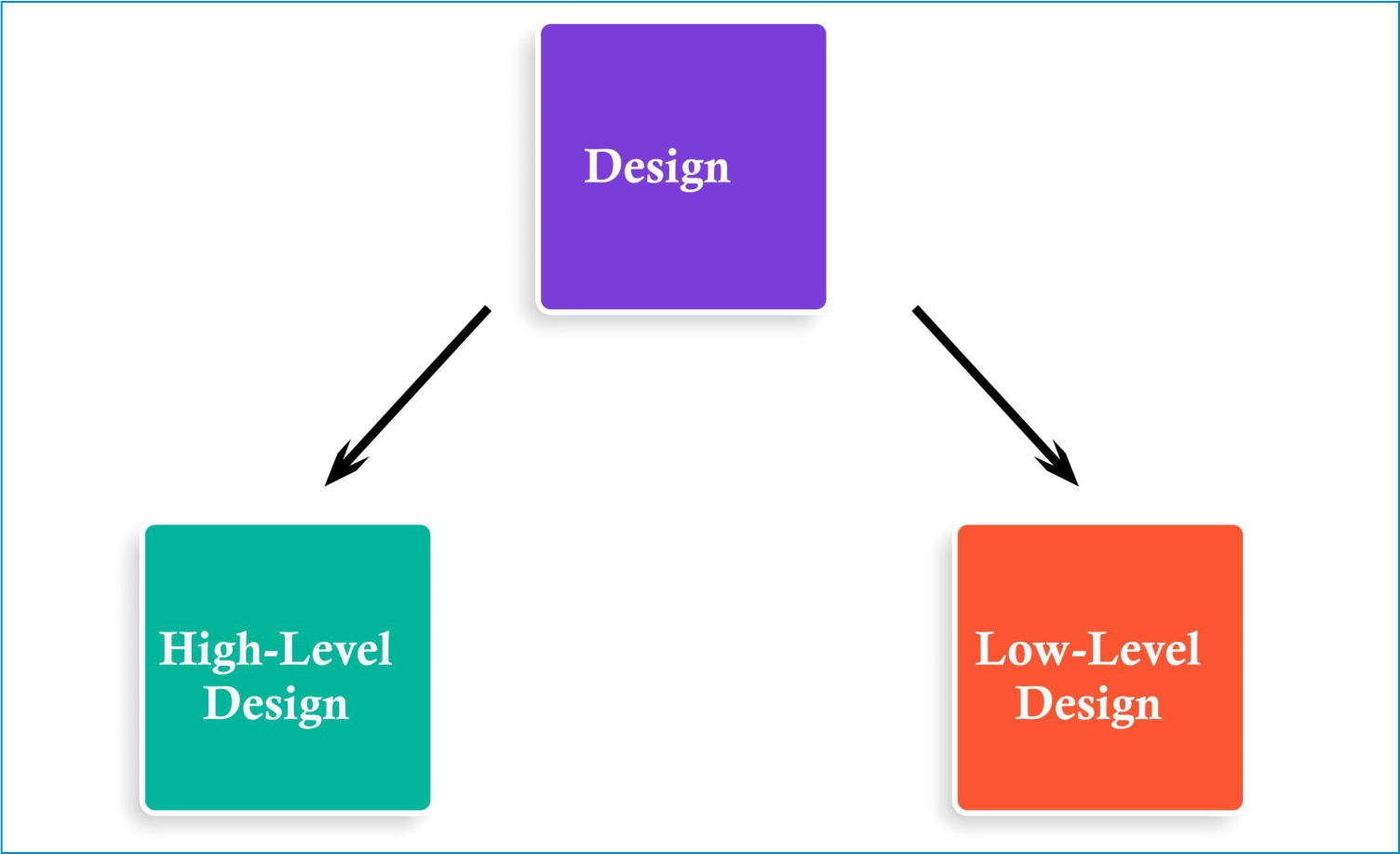
High Level Requirements are refined during the Software Design Phase and a Design is generated. A Design that is clear and accurate helps in the correct implementation of the Product/System.
Due Diligence is done during the design phase for getting it right the first time.
A Two Leveled Design approach helps in providing a complete picture of the Product or System and helps an Implementer develop Source code efficiently. Derived Requirements are identified and are taken through a Safety Assessment Process to determine if there is any impact on System Safety.
Design Patterns and latest design methodologies like Model Based Development are employed to ensure success of the design phase. A Modular approach is followed in generating SW Design. The interface between modules (data and control flow) is adequately well defined to ensure consistency between the modules.
ALTEN India Engineers are well versed in ensuring the software designs comply to DO-178C Guidelines.
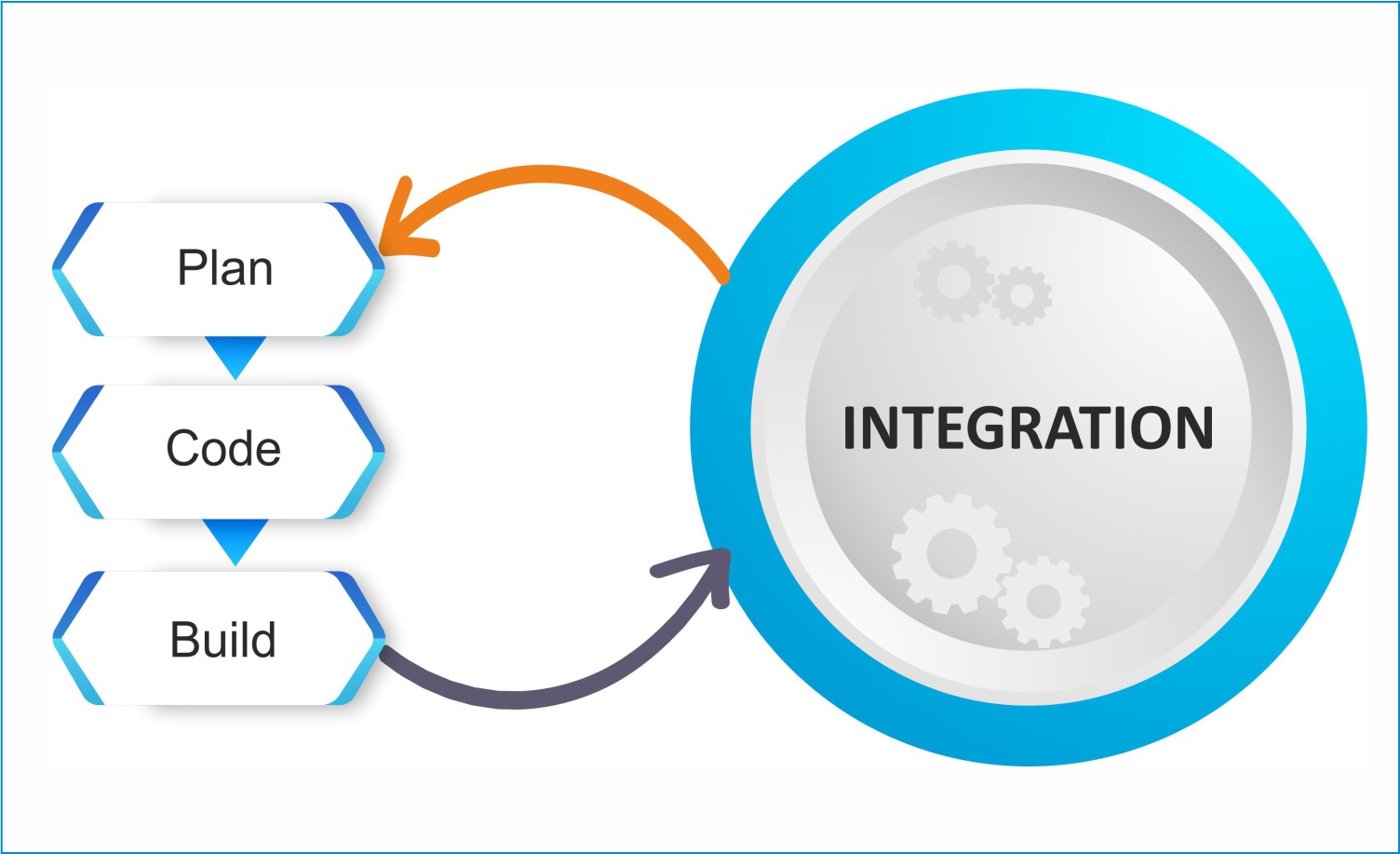
ALTEN India has very strong Software development teams that are skilled in various programming languages. Software Implementation that strictly adheres to an accurate design produces high quality Software.
Often, Design and Implementation are performed in modular fashion and the different modules/blocks are then integrated. Inter-block communication is as defined in an Interface Specification.
Our Software engineers have experience in porting existing Source code to a different hardware platform. Compliance to design and requirements is ensured on the new platform. ALTEN India teams also provide support for Certification of the Product on the new Platform.
Porting is performed in conformance to the new Hardware and Software Architecture
Port and Enhance Projects have also been successfully executed. Such projects have also undergone Certification successfully. ALTEN India Designs ensure that the Software is implemented in a modular fashion so that it can be ported easily. Isolated Hardware Abstraction Layers ensure minimal changes in the Application Modules during Porting.
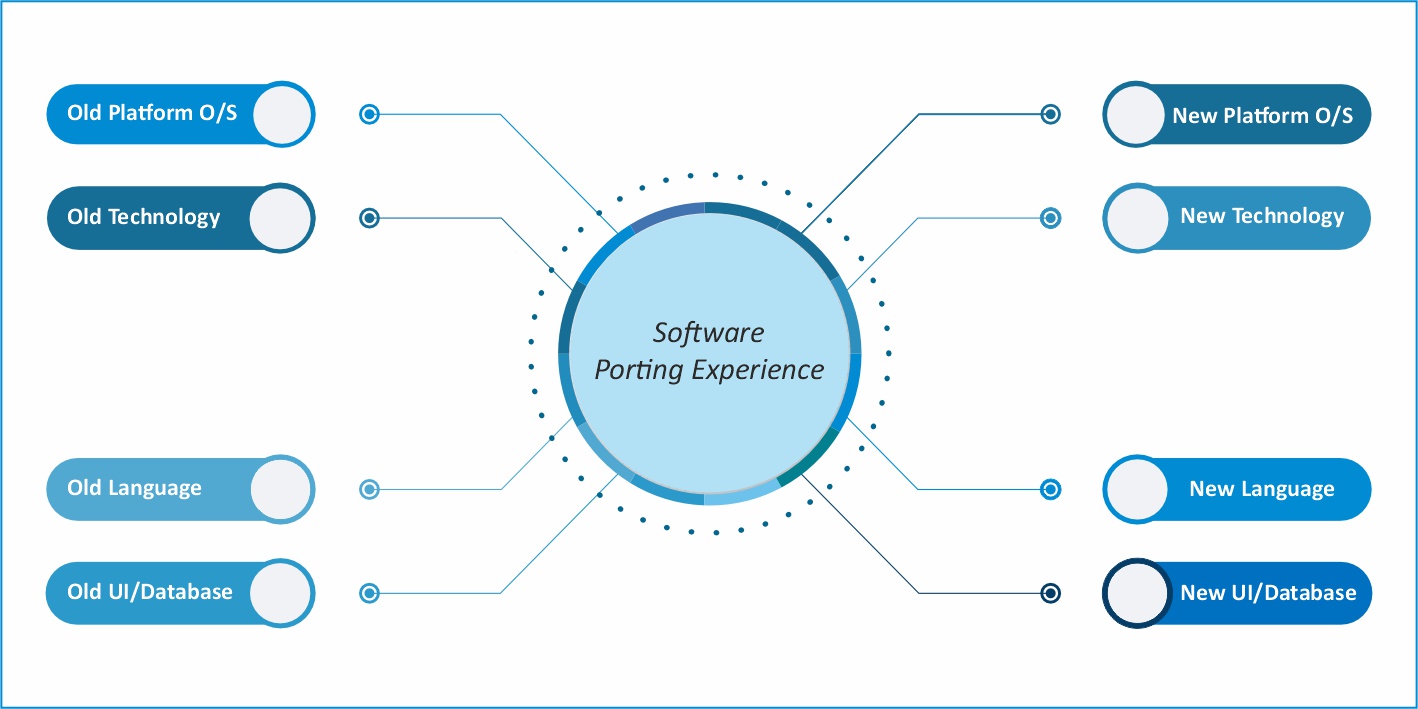
There are situations where a Product previously certified is updated to include enhancements and better performing Hardware. The newer release of the Product may need to be certified to a higher Design Assurance Level. ALTEN India has undertaken several projects where existing functionality is enhanced and the new Software is Re-Certified.
ALTEN India ensures that cost and schedule are optimized by making use of the already existing Certification Artifacts. Maximum reusability is ensured.
With good experience in such projects, ALTEN India can help with Certificate Upgrades with a minimum cost Impact.
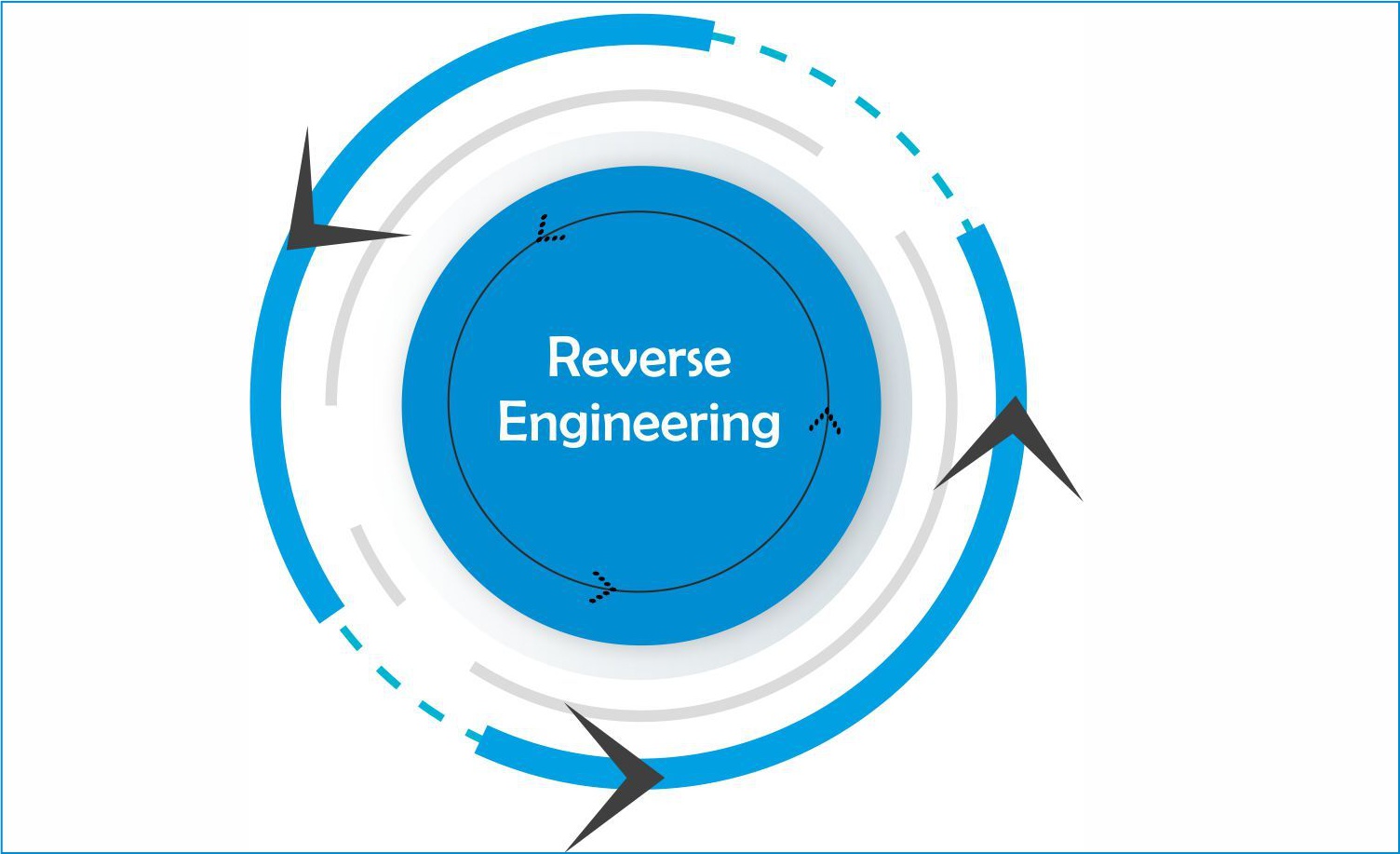
ALTEN India has worked on several projects where existing designs and products were reverse engineered and re-certified on newer platforms. There is capability within ALTEN India to even Reverse Engineer products with very little documentation and from only System Specification.
A complete Certification Package can be developed to support the recertification process.
More often than not, Reverse Engineering is not performed at the product level, but within the different development phases, for example, generation of Low Level Requirements that comply to the High Level Requirements, Software Architecture and the Source Code.
ALTEN India can help fill-in the missing blocks in the Product Certification Process.
Since Inception, ALTEN India has more than 1200 Person Years of experience in Independent V&V of various projects that are part of big Aerospace Programs. ALTEN India has gained considerable expertise in different Verification and Validation activities covering Requirements, Design and Source Code Validation, High and Low Level Verification and generation of the necessary artifacts for Certification.
Our Core expertise is in performing IV&V in compliance to DO-178C, DAL A-E. There is considerable experience in performing V&V using the different V&V Models – V Model, Iterative Enhancement, Agile/Kanban.
ALTEN India has a talented Pool of Exerienced engineers with expertise in different levels of testing – Hardware in Loop Testing, Software in Loop Testing, Low Level Verification and Validation Activities, and even System Level Testing.
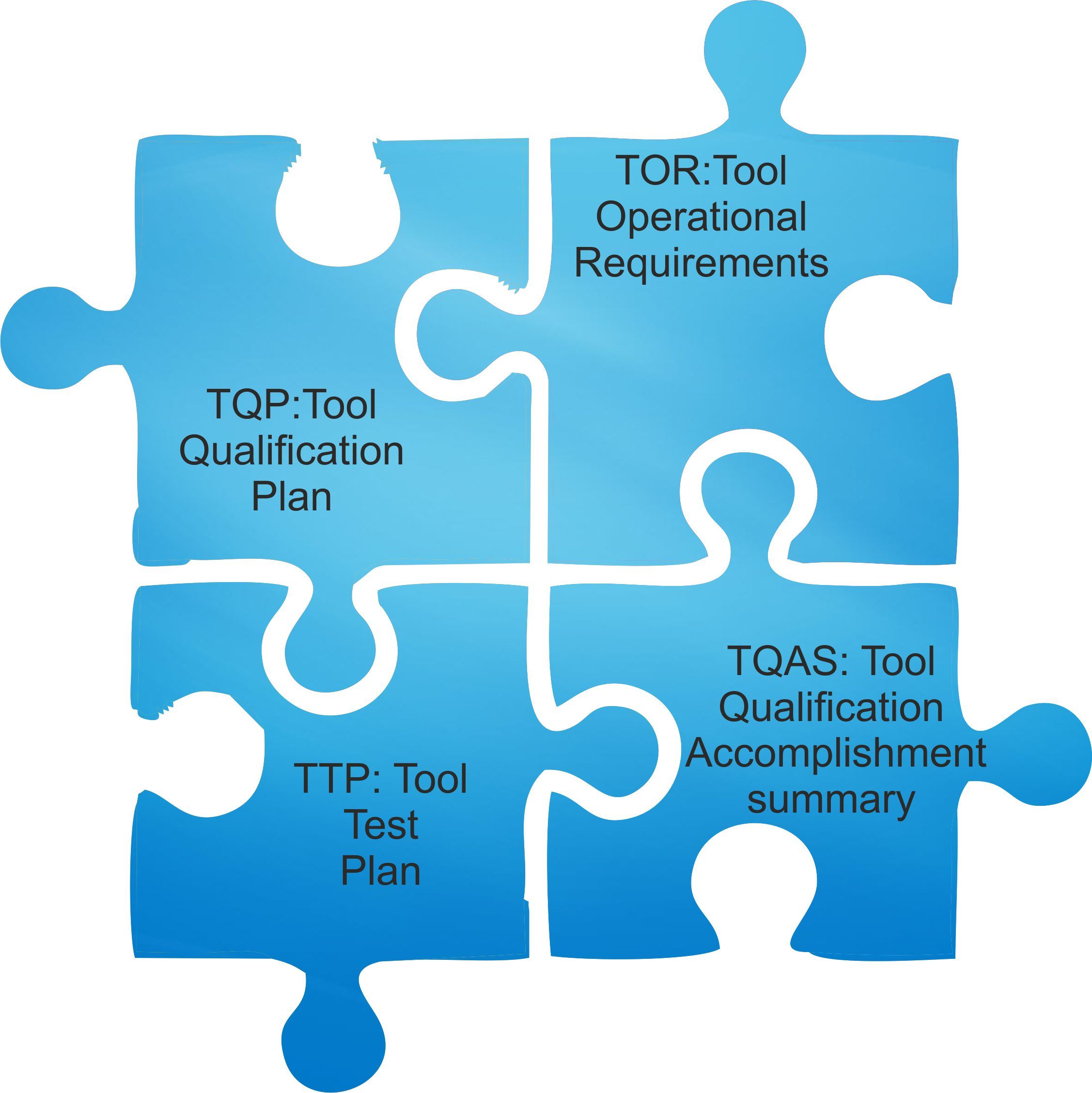
ALTEN India has good Tool Qualification Experience per DO-178C, TQL A through E (DO-330). All the Software Lifecycle tools that have been developed internally at ALTEN India are qualified per DO-178C and have been used successfully on various Customer Certification Programs.
ALTEN India specializes in generating Tool Operational Requirements, Tool Qualification Plans and Tool Qualification Indices.
Operating System – Windows (Pro & CE), Linux (Pro & Ent), GHS Integrity, VxWorks, DSP-OS, VDK, MicroC/OS, OASYS (Our ARINC 653 Compliant RTOS).
Processors – Intel x86, MPC56xx, Blackfin, ARM-OMAP35x, LPC3xxx, ARM 7/9, Cortex, Power PC, Freescale, ADI DSP, TI DSP, Motorola DSP, PAX
Programming Languages: C, C++, Ada, VC++ (MFC), Java, C# .NET
Drivers – USB, SPI, SPORT, I2C, UART, LVDS, Ethernet controller, MIL 1553, ARINC 429, CMI, DVI, IRIG, RS-232, RS-422, PCI, SD card, CF Interface, Flash, EEPROM, SDRAM, GSM-GPRS & CDMA modem drivers, AC/97 Codec, VGA, QVGA, Touch Screen, Keypads
Network protocol – UDP, IPV4, IPV6, Ethernet Controller Driver
Scripting – Python, MATLAB, HTML/Java Script, DOORS DXL, Proprietary Scripts
Graphics Packages – GDI, GDI+, OpenGL, SWT
- Software TOOLS Experience : DOORS, ReMa (Our Proprietary Requirements Management Tool)
- Software Design : Mentor Graphics CASE Tool, Rhapsody, Teamwork/Ada, Easy CASE
- Software Testing : IBM RT-RT, IPL Cantata, IPL AdaTest, VectorCast C/C++, LDRA, Smart Tester C(Our proprietary Unit and Integration Test Tool), Logiscope and Lint
- Coverage/Source Code Analysis : C-Cover, Logiscope, VectorCast/Cover, CodeTrax
- Project Management : MS-Project, Smart Planner (Our Proprietary Project Planning Tool)
- Configuration Management : SVN, CVS, Clearcase, RCS, PVCS

Life Cycle Models
ALTEN India has a vast experience in the different Life Cycle Models
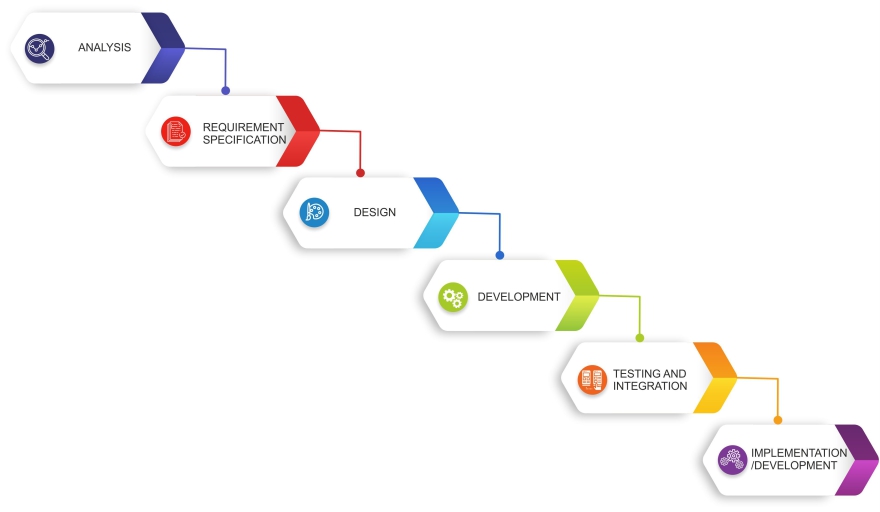
Waterfall Model
The Waterfall Model is a linear sequential flow from one phase to another in a project. This means that any phase in the development process begins only when the previous phase is complete. The waterfall approach is the earliest approach and most widely known that was used for software development.
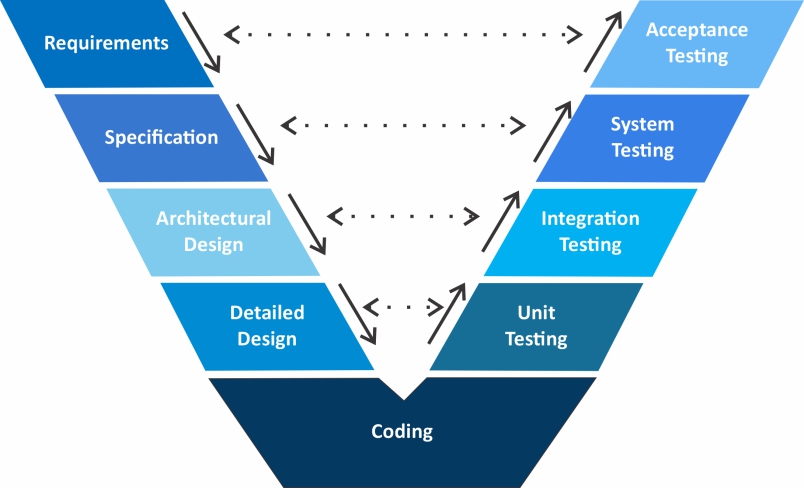
V model
This is an extension of the waterfall model, instead of moving always down from phase to another in a linear way, the process steps are bent upwards after the implementation phase, to form a V shape. The major difference between the V-shaped model and waterfall model is the early test planning in the V-shaped model.
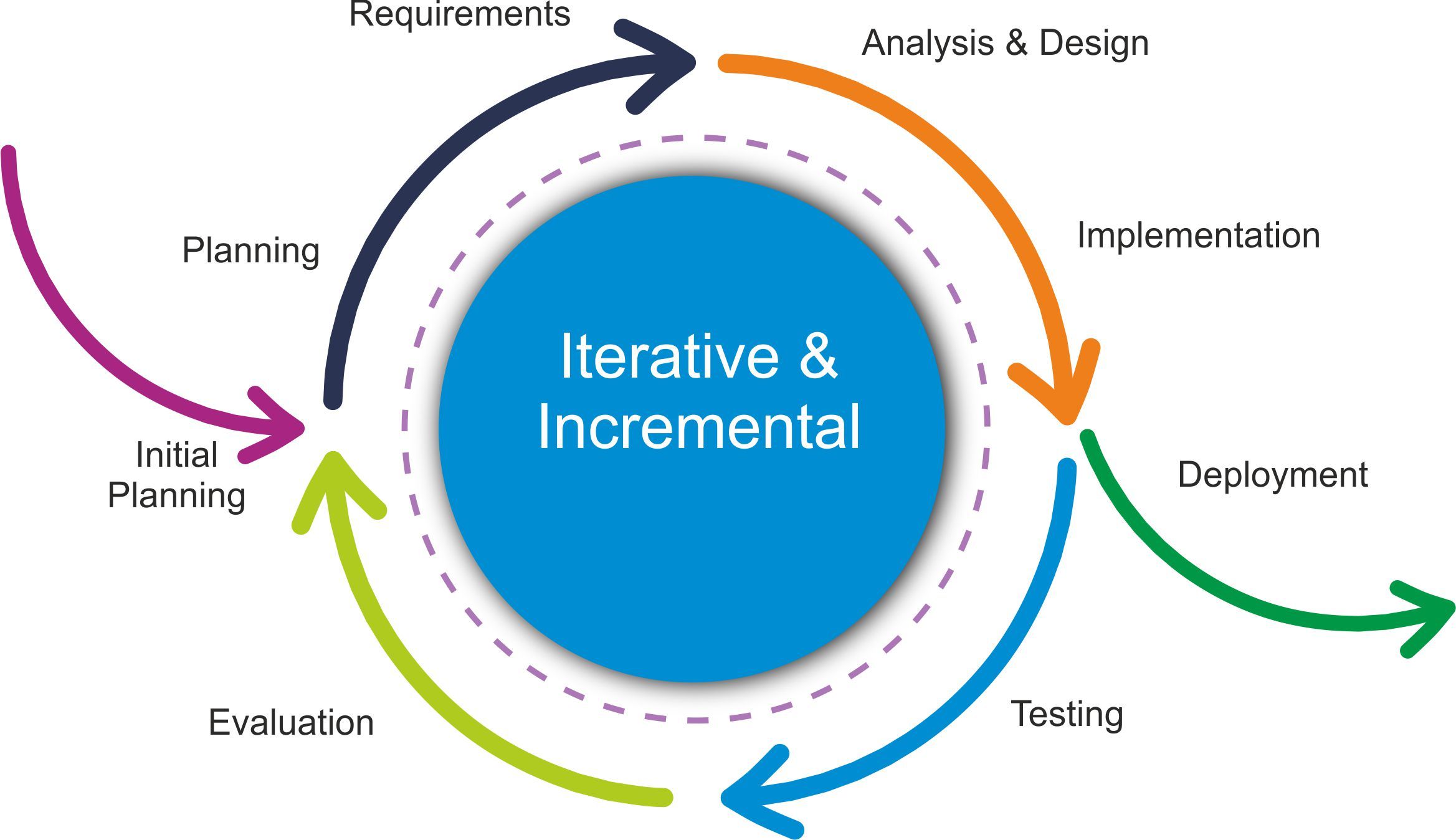
Iterative Enhancement Model
This lifecycle model has been developed to overcome the weaknesses of the waterfall model. It starts with initial planning and ends with deployment of the full scope broken down into small pieces or iterations. The basic idea behind this model is to develop a system through repeated cycles (iterative) and in smaller portions at a time (incremental), allowing the team to take advantage of the learnings during the development of earlier iterations or versions of the system. It can consist of mini waterfalls or mini V-models.
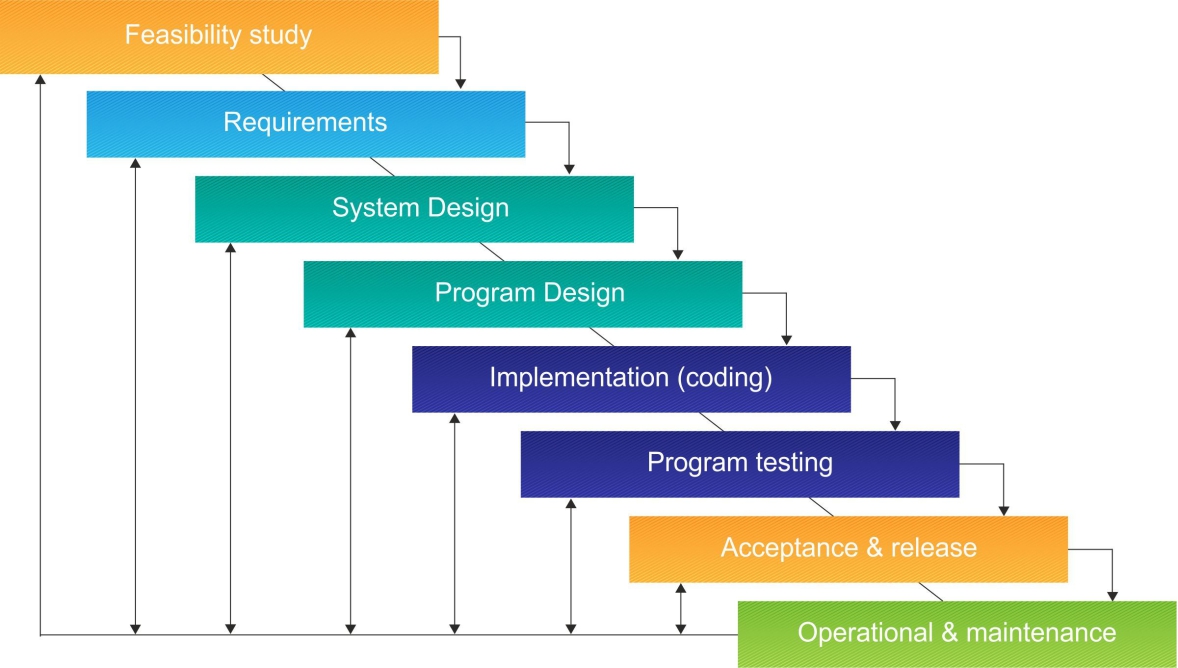
Modified Waterfall model
The Modified Waterfall Model differs from the regular waterfall model in that it allows a return to a previous phase and then flowing through the subsequent phases. This supports a mechanism of channelling feedback from later phases into the previous ones. However, inclusion of such feedback may prove costly in terms of effort and cost.
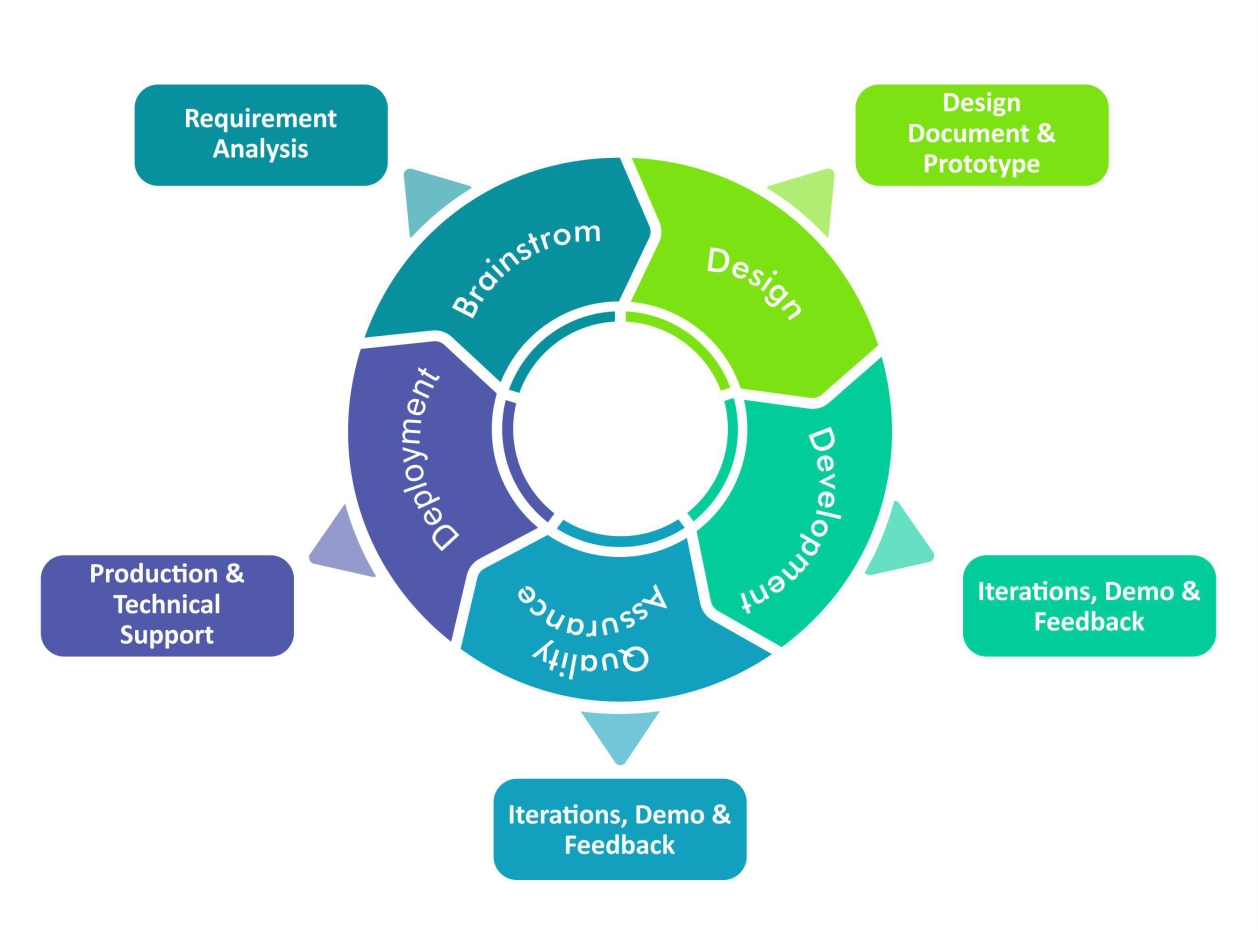
Agile Methodologies – Scrum and Kanban
It is based on iterative and incremental development, where requirements and solutions evolve through collaboration between cross-functional teams.